 Forenly AI Lab
PPISP study on a 3-camera capture
We put NVIDIA's PPISP through one clean test on our own capture: same scene, same 30,000 iterations, one switch. Image quality rose by 9.5 dB.
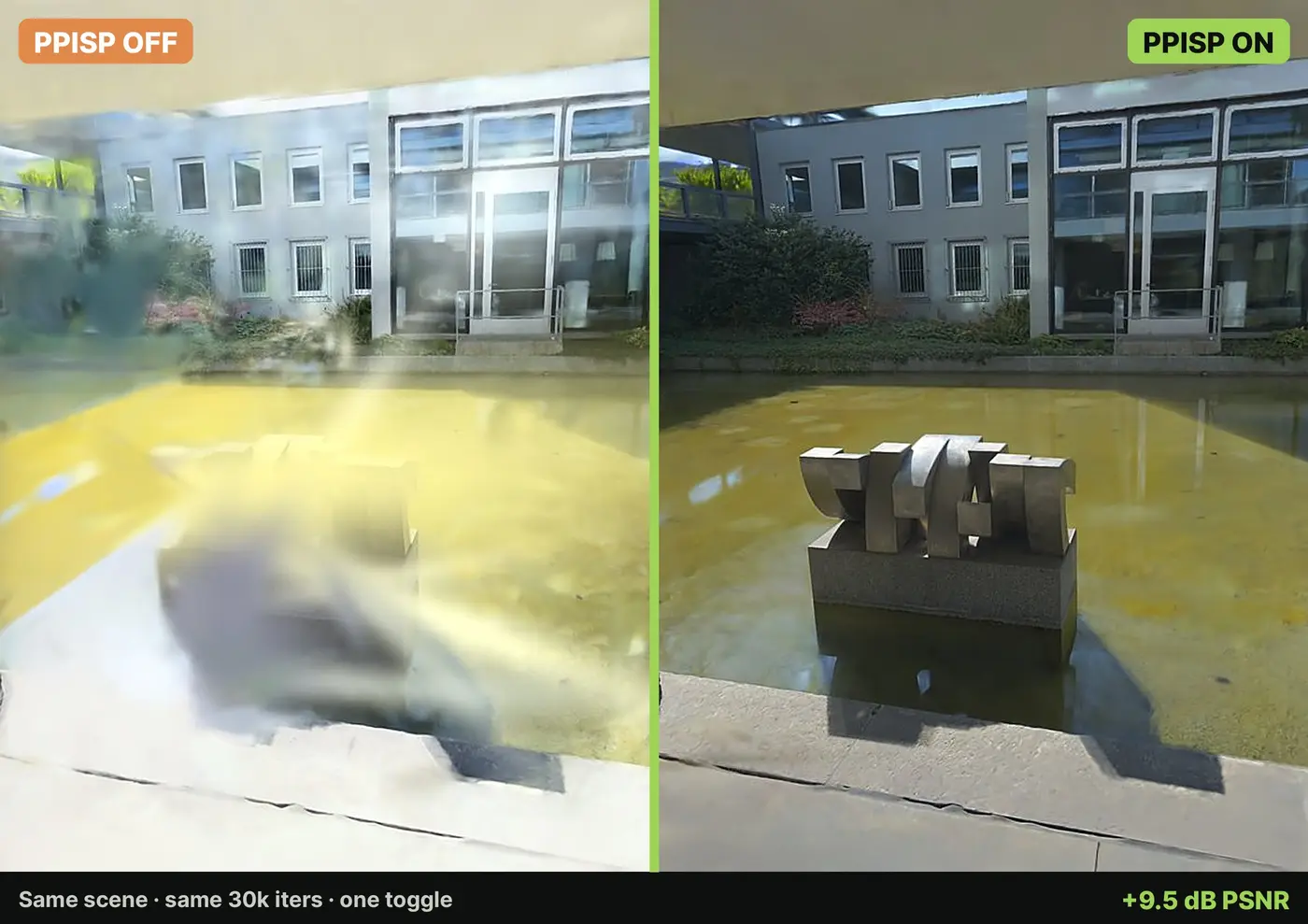
Camera correction off and on in this study.
PPISP is NVIDIA's fix for the lighting and colour drift that turns a clean multi-camera capture into mush. It sits on top of 3DGS, 3DGUT and NeRF pipelines.
With it off, the sculpture and the water dissolve into haze; with it on, edges hold and colour stays true.
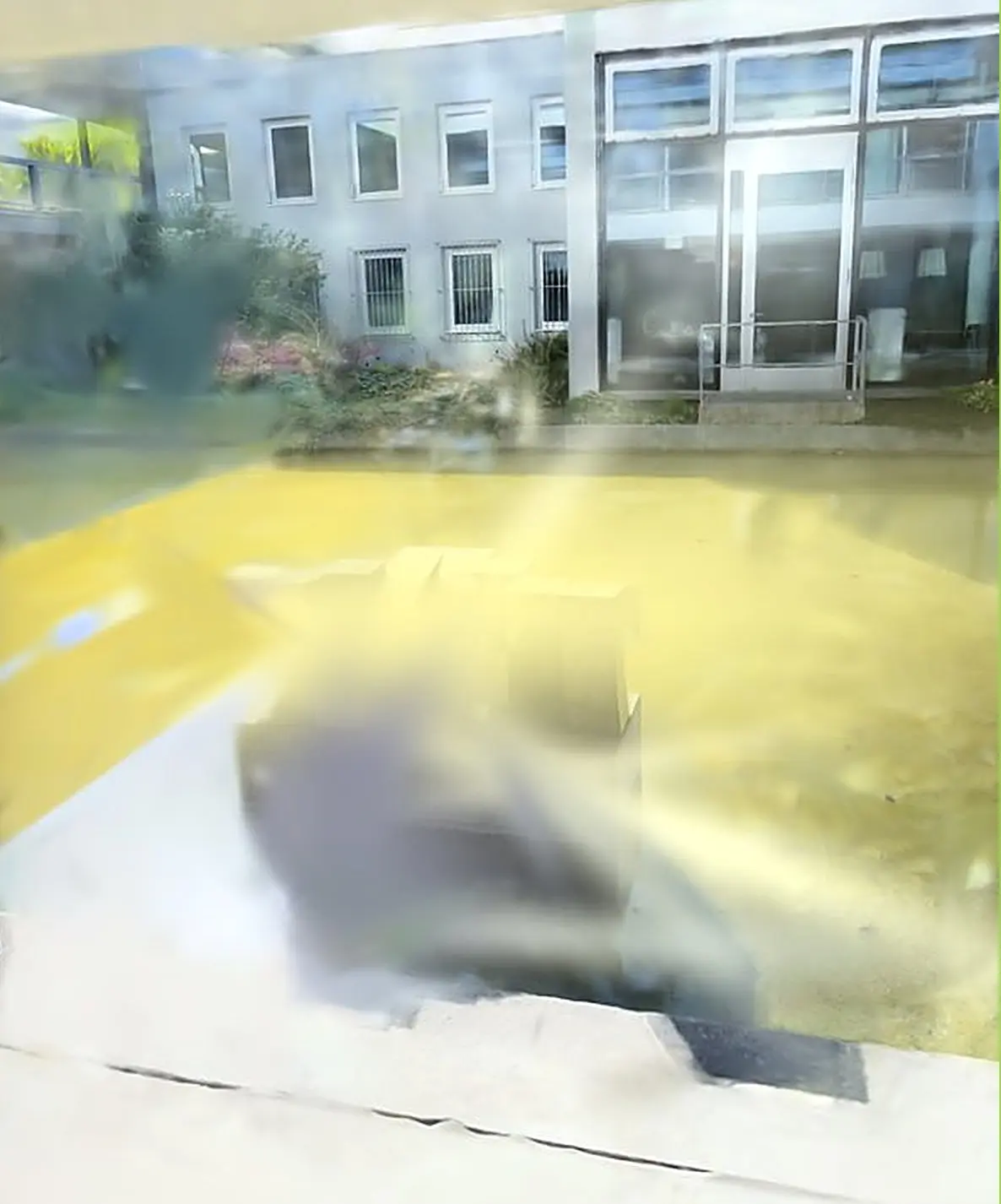
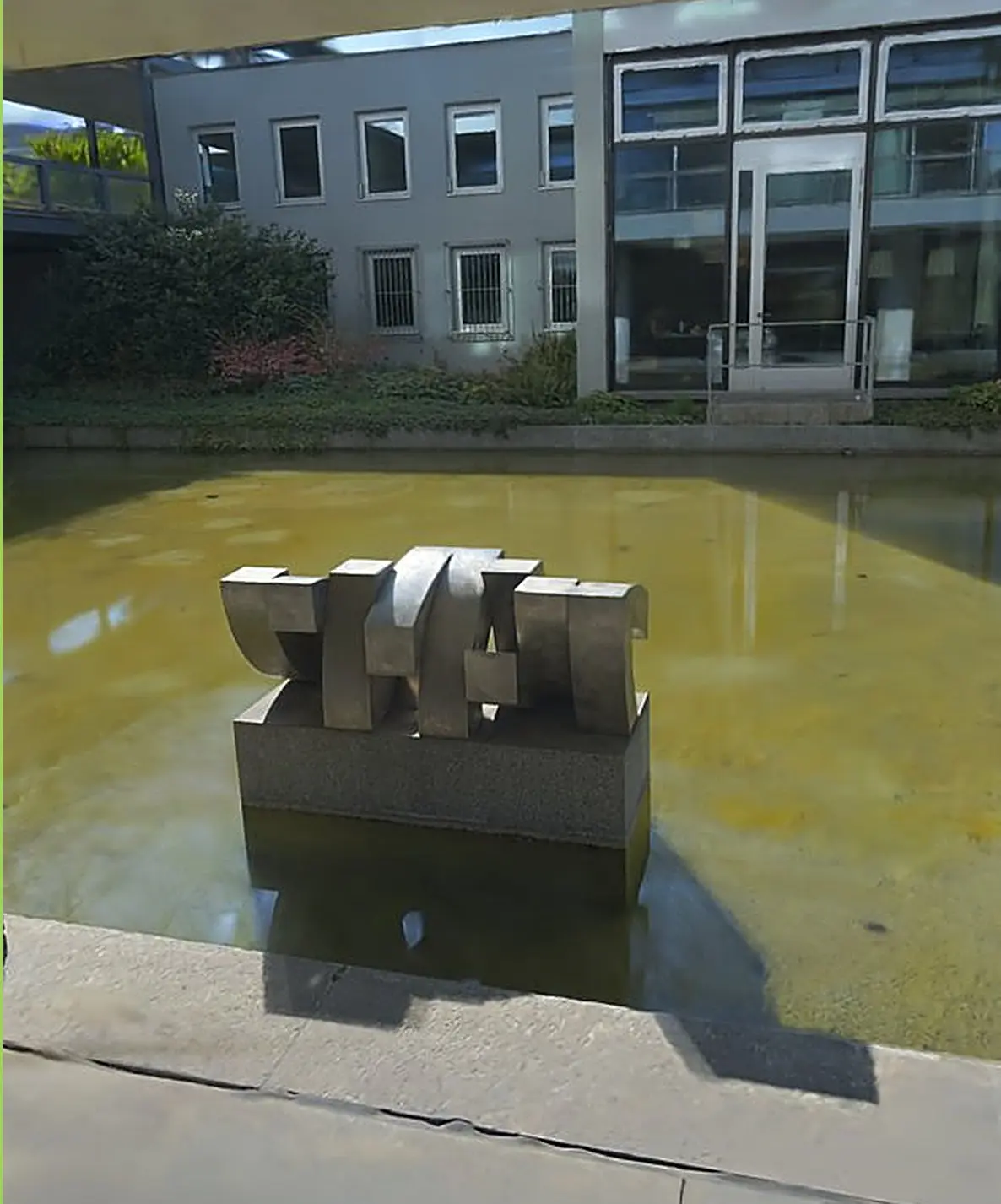
Study results: image quality in three numbers.
PSNR with PPISP on, against off
Training iterations in both runs
Real cameras on one scene
Why image quality matters for robot training.
Our Scene to Sim pipeline turns real captures into the 3D places where robots learn a skill before hardware moves. A blurry scene gives geometry the robot cannot trust and textures the policy cannot read. Other methods tested in this line of work: 3DGRUT, 2DGS and GOF.
What one switch showed
One switch, the same capture and the same budget: 9.5 dB is the whole difference PPISP made.